
The UAE is moving toward a structured electronic invoicing system as part of its wider digital transformation and tax compliance framework. The new e-invoicing system is designed to make invoice exchange and tax reporting are more efficient, standardized, and transparent for businesses operating in the UAE.
The selection of a Licensed Provider of Services (ASP) is one of the most crucial aspects of the transition. Companies covered by the UAE eInvoicing system are needed to collaborate with an ASP in order to exchange and report electronic invoice data using the necessary framework.
The UAE e-invoicing ASP appointment deadline depends mainly on the annual revenue of the business. The Ministry of Finance has also amended the original deadline for businesses with annual revenue of AED 50 million or more, extending it from 31 July 2026 to 30 October 2026.
Understanding these dates can help businesses prepare their accounting systems, evaluate ASP options, and plan their transition before mandatory implementation begins.
Table of Contents
What Is UAE eInvoicing?
UAE e-invoicing is a structured system through which invoice information is electronically issued, exchanged, and reported through approved channels. Businesses should also consider the UAE e-invoicing ASP appointment deadline when preparing for implementation.
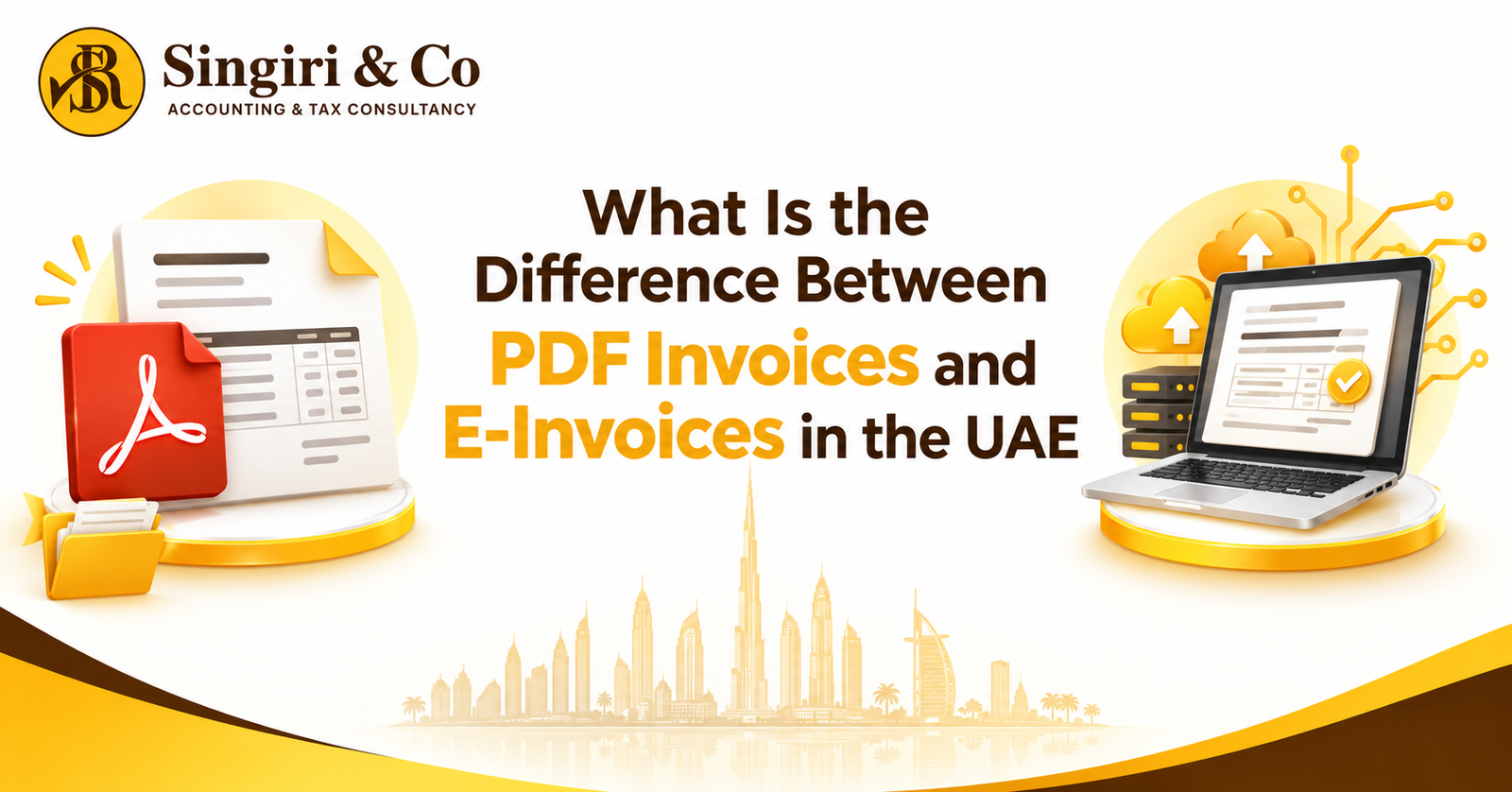
An e-invoice is not simply a digital copy of a traditional invoice. The UAE Ministry of Finance notes that an eInvoice is structured invoice data transmitted electronically between a supplier and buyer and reported electronically to the Federal Tax Authority. PDF files, Word documents, scanned invoices, images, and invoices sent by email do not automatically qualify as eInvoices.
The UAE system is based on a structured digital framework and uses the Peppol-based four-corner model to facilitate electronic invoice exchange.
This means businesses need to consider more than simply changing the format of their invoices. They must be able to create the necessary structured electronic invoices.
What Is an Accredited Service Provider?
An accredited service provider, commonly called an ASP, is a service provider accredited under the UAE eInvoicing framework. Businesses should consider the UAE e-invoicing ASP appointment deadline when selecting an accredited provider.
The ASP plays an important role in connecting businesses to the eInvoicing system. It helps businesses exchange electronic invoices in the required format and supports the transmission and reporting of relevant invoice data.
The Ministry of Finance keeps a formal list of approved e-invoicing service providers. The list is updated periodically as additional providers come in.
Businesses should therefore distinguish between a software company that offers invoicing technology and an officially accredited eInvoicing Service Provider. This distinction is important when reviewing UAE e-invoicing service providers.
What Is the UAE eInvoicing ASP Appointment Deadline?
An in-scope company must designate its accredited service provider by the UAE e-invoicing ASP appointment deadline.
Under the latest revision released by the Ministry of Finance, enterprises linked to the eInvoicing system with yearly turnover of AED 50 million or more must employ an ASP by 30 October 2026. Their mandatory e-invoicing implementation date remains 1 January 2027.
This extension gives qualifying businesses additional time to evaluate providers, complete commercial arrangements, prepare their accounting systems, and complete onboarding activities.
The ASP appointment deadline is March 31, 2027, and mandatory adoption is set for July 1, 2027, for companies with yearly turnover under AED 50 million. Businesses should also review the UAE e-invoicing implementation requirements when preparing for these deadlines.
UAE eInvoicing ASP Timeline
| Business category | ASP appointment deadline | Mandatory eInvoicing implementation |
| Annual revenue AED 50 million or more | 30 October 2026 | 1 January 2027 |
| Annual revenue below AED 50 million | 31 March 2027 | 1 July 2027 |
| In-scope government entities | 31 March 2027 | 1 October 2027 |
The timeline should be treated as part of a wider implementation project rather than simply a date for selecting a provider.
Why Does the ASP Appointment Matter?
Selecting an ASP is an important step under the UAE e-invoicing ASP appointment deadline because the provider becomes part of the business’s electronic invoicing process.
An ASP can support the transmission, validation, and exchange of structured invoice information through the UAE eInvoicing framework. The Ministry of Finance describes a four-corner model in which the supplier and buyer use accredited service providers to exchange eInvoices and report relevant tax data.
Businesses therefore need to consider how their existing accounting and ERP systems will connect with their selected provider and support Peppol e-invoicing integration.
For example, a business may need to review whether its existing system can:
- Generate structured invoice data
- Capture mandatory invoice information
- Connect with the selected ASP
- Process electronic credit notes
- Exchange invoices with customers and suppliers
- Maintain appropriate accounting records
- Support required tax reporting processes
How Can Companies Get Ready for the ASP Deadline?

Businesses should not wait until the final deadline to begin their preparation. Understanding the UAE e-invoicing ASP appointment deadline is an important part of planning the UAE e-invoicing compliance timeline.
1. Determine Your Revenue Category
The first step is to identify the applicable revenue threshold and implementation phase.
The UAE eInvoicing ASP Appointment Deadline of October 30, 2026, has an earlier implementation deadline for businesses with yearly revenue of AED 50 million or greater.
Businesses below AED 50 million have a delayed ASP appointment date of 31 March 2027.
2. Review Your Current Invoicing System
Companies should review the current processes for creating and exchanging invoices.
If invoices are mainly created using Word, Excel, PDF files, or other unstructured formats, the business should assess whether its accounting or ERP system can support structured e-invoicing requirements.
The Ministry of Finance specifically distinguishes structured e-invoices from PDF and other unstructured formats.
3. Check ERP and Accounting Software Compatibility
The transition may require changes to accounting software, ERP systems, invoicing applications, or integration processes.
Businesses should identify how their current systems will connect with the selected ASP and whether any upgrades or configuration changes are required.
4. Compare Accredited Service Providers
Before choosing a provider, businesses should consult the Ministry of Finance’s approved list.
Factors to consider can include:
- Integration capabilities
- Supported accounting and ERP systems
- Implementation support
- Data security
- Technical support
- Commercial terms
- Scalability
- Reporting capabilities
The objective is to understand whether the provider can support the business’s operational requirements.
5. Plan Internal Testing
After selecting an ASP, businesses should allow sufficient time for configuration and testing.
Before required implementation starts, testing can help find problems with invoice data, tax information, customer information, product or service information, credit notes, and system integrations.
6. Review Accounting Processes
eInvoicing can affect accounting, finance, tax, sales, procurement, and IT processes.
Businesses should therefore review their complete invoice lifecycle instead of looking only at the invoice-generation process. stage.
What Happens After Appointing an ASP?
Appointing an ASP is an important milestone under the UAE e-invoicing ASP appointment deadline, but it does not mean the entire e-invoicing implementation is complete.
The business still needs to complete onboarding and technical preparation, including ERP integration, invoice configuration, testing, and employee training. These steps support smooth UAE e-invoicing implementation.
Businesses should allow adequate time between ASP appointment and mandatory implementation to meet UAE e-invoicing compliance requirements.
What If a Business Has Already Started Preparing?
Businesses that have already reviewed their accounting systems or started discussions with ASPs can continue those preparations under the UAE e-invoicing ASP appointment deadline.
The deadline for companies with AED 50 million or more in sales has been extended, but this does not negate the requirement to get ready for the obligatory adoption on January 1, 2027. The Ministry of Finance announced the extension specifically for the ASP appointment, while the implementation date remains unchanged.
This distinction is important. The appointment deadline and the actual mandatory implementation date are two different milestones. Businesses should therefore understand the UAE e-invoicing implementation date when planning their transition.
Conclusion
The UAE eInvoicing rollout introduces important changes to how businesses create, exchange, and report invoice information. Understanding the UAE e-invoicing ASP appointment deadline is therefore an important part of preparing for the new system.
For businesses with an annual revenue of AED 50 million or more, the deadline to appoint an ASP is now 30 October 2026, while mandatory e-invoicing implementation begins on 1 January 2027. Businesses below AED 50 million have until 31 March 2027 to appoint an ASP, followed by mandatory implementation from 1 July 2027.
Preparation involves more than choosing a service provider. Businesses should review their accounting software, ERP systems, invoice formats, data requirements, internal processes, and testing plans.
As UAE companies get ready for changing UAE compliance and digital invoicing regulations, Singiri & Co. can assist them with accounting, VAT, corporate tax, auditing, and business consultancy needs. Businesses can review their current accounting and invoicing processes early and plan the transition in an organized manner.
Staying informed about the UAE eInvoicing ASP Appointment Deadline can help businesses understand their responsibilities and prepare for the next stage of UAE eInvoicing implementation.
FAQS
1. What is the UAE eInvoicing ASP Appointment Deadline?
For businesses with annual revenue of AED 50 million or more, the UAE eInvoicing ASP Appointment Deadline is 30 October 2026, following the Ministry of Finance’s 2026 amendment. The first day of mandatory implementation is January 1, 2027.
2. What is the ASP deadline for businesses below AED 50 million?
Businesses with annual revenue below AED 50 million must appoint an ASP by 31 March 2027 and implement the UAE eInvoicing system by 1 July 2027.
3. Is a PDF invoice an eInvoice in the UAE?
No. A PDF invoice is an unstructured electronic document and does not automatically qualify as a UAE eInvoice. The UAE eInvoicing framework requires structured invoice data exchanged through the prescribed system.
4. How can businesses choose an ASP?
Businesses should first review the official Ministry of Finance list of accredited ASPs and then compare factors such as system integration, technical capabilities, support, security, scalability, and commercial terms.
5. Does appointing an ASP mean eInvoicing is complete?
No. ASP appointment is one stage of the implementation process. Businesses still need to complete system integration, configuration, testing, onboarding, and other technical and operational requirements before mandatory implementation.
6. Can businesses implement eInvoicing voluntarily?
Yes. The UAE eInvoicing framework allows voluntary implementation from 1 July 2026, subject to the applicable technical requirements.
7. Why should businesses prepare before the deadline?
Early preparation gives businesses time to assess their systems, select an ASP, identify integration requirements, test invoice processes, and address technical or accounting issues before mandatory implementation.