
Exploring Company Accounts UAE Guidelines for Better Financial Management
Managing company accounts accurately is an important part of running a business in the United Arab Emirates. Proper accounting helps businesses understand their financial position, maintain reliable records, prepare financial statements, and meet applicable tax and reporting obligations. With the introduction of UAE Corporate Tax, maintaining well-organized financial information has become increasingly important for businesses of different sizes.
For businesses looking to improve their accounting processes, Singiriandco, Dubai, UAE, provides accounting, bookkeeping, auditing, tax, and business advisory support designed around the needs of UAE businesses. Understanding Business Records UAE Guidelines Explained Clearly can help business owners build better financial controls and make informed financial decisions.
Table of Contents
What Are Company Accounts in the UAE?
Company accounts are the financial records maintained by a business to track its income, expenses, assets, liabilities, equity, and cash movements. These documents serve as the basis for creating financial statements and assessing the financial health of a business.
Depending on the nature and size of the business, accounting records may include:
- Sales and purchase records
- Bank transactions
- Expense records
- Accounts receivable
- Accounts payable
- Payroll information
- Fixed asset records
- Inventory records
- Loan and liability information
- Equity and capital records
- Tax-related documents
- Financial statements
Maintaining complete and accurate records gives management a clearer understanding of how the business is performing. It also makes it easier to identify unusual transactions, control expenses, and prepare information required for financial and tax reporting.
Understanding UAE Accounting Standards
One of the most important aspects of Business Records UAE Guidelines Explained Clearly is understanding which accounting standards apply when preparing financial statements for UAE corporate tax purposes.
The Federal Tax Authority states that financial statements for UAE corporate tax purposes should be prepared using accounting standards accepted in the UAE. IFRS is the principal accepted standard, while eligible businesses with revenue of AED 50 million or less may use IFRS for SMEs.
This means businesses should establish accounting procedures that produce reliable financial information and can support the calculation of taxable income.
The accounting information is particularly important because taxable income generally starts with accounting net profit or loss before specific adjustments required under the corporate tax rules.
Why Accurate Company Accounts Matter
Accurate accounting is not simply about recording transactions. It supports several important areas of financial management.
1. Better Financial Visibility
Well-maintained accounts help owners and managers understand revenue, expenses, profitability, cash flow and outstanding obligations.
2. Improved Cash Flow Management
Businesses can monitor receivables and payables more effectively when financial transactions are recorded consistently. This can help management identify upcoming cash requirements.
3. Easier Tax Preparation
Accurate accounting records provide the financial information needed to determine taxable income and prepare corporate tax calculations.
4. Stronger Financial Controls
Regular reconciliation and review can help identify duplicate payments, missing transactions, incorrect entries and unusual balances.
5. Better Business Decisions
Reliable financial reports can help management evaluate costs, profitability, investment requirements, and future business plans.
For these reasons, Business Records UAE Guidelines Explained Clearly should be viewed as part of overall financial management rather than simply an administrative requirement.
Financial Statements for UAE Businesses
An organized picture of a company’s financial performance and situation can be found in financial statements. Depending on the relevant accounting framework, a complete set may consist of a cash flow statement, balance sheet, income statement, and statement of changes in equity.
Businesses should ensure that their accounting system can generate reliable information for financial reporting.
Common financial reports include:
- Statement of financial position
- Statement of profit or loss
- Cash flow statement
- Statement of changes in equity
- Accounts receivable aging
- Accounts payable aging
- General ledger
- Trial balance
These reports can help management understand the financial condition of the business and identify areas requiring attention.
Accounting Records and Documentation
An important part of the Business Records UAE Guidelines Explained Clearly is maintaining supporting documentation for financial transactions.
The FTA has emphasized that taxable persons should retain records and documents supporting information reported in corporate tax returns. Examples include transaction records, asset records, liability records, and information relating to shares held at the end of a tax period.
Businesses should therefore maintain organized documentation such as
- Sales invoices
- Purchase invoices
- Receipts
- Bank statements
- Contracts
- Payroll records
- Asset purchase documents
- Loan agreements
- Expense supporting documents
- Tax records
- Credit notes and debit notes
Keeping documentation properly organized can make accounting reviews, audits, and tax compliance processes more efficient.
Accrual Accounting and Cash Basis
Another important consideration is the basis of accounting.
UAE corporate tax rules generally use accrual accounting, although the applicable rules allow the cash basis in certain circumstances. Under Ministerial Decision No. 114 of 2023, a person may prepare financial statements using the cash basis where revenue does not exceed AED 3 million, subject to the applicable conditions.
Under accrual accounting, income is generally recognized when earned and expenses when incurred rather than only when cash changes hands.
Understanding the appropriate accounting basis is therefore an important part of Business Records UAE Guidelines Explained Clearly for businesses preparing information for corporate tax purposes.
Maintaining Separate and Reliable Records
Businesses should establish clear accounting structures for their operations. Transactions should be recorded under appropriate accounts and supported by relevant documents.
For UAE corporate tax purposes, taxable persons generally need financial statements prepared on a standalone basis. The FTA explains that each UAE entity subject to corporate tax should prepare and maintain standalone financial statements unless the entities form a tax group under the applicable rules.
This makes proper entity-level bookkeeping particularly important for businesses operating through multiple companies or subsidiaries.
How Businesses Can Improve Financial Management
Businesses can strengthen their accounting processes through several practical measures.
Maintain Accounts Regularly
Updating accounts throughout the year is generally more useful than waiting until the end of a financial period. Regular bookkeeping gives management more current information.
Reconcile Bank Accounts
Bank reconciliation can help identify missing entries, duplicated transactions, and differences between accounting records and bank statements.
Track Receivables
Businesses should monitor outstanding customer invoices and follow up on overdue balances to support healthy cash flow.
Review Payables
Supplier balances should be reviewed regularly so that businesses can manage payment obligations effectively.
Maintain Asset Records
Businesses should maintain information about assets, including purchases, disposals, and relevant supporting documents.
Review Financial Reports
Management should periodically review profit and loss statements, balance sheets, and cash flow information to identify financial trends.
These practices can make business records UAE guidelines explained. Clearly more practical for business owners who want to use accounting information for everyday decision-making.
Role of Professional Accounting Support
As a business grows, managing accounts, VAT, corporate tax, payroll, and financial records can become more complex. Understanding Business Records UAE Guidelines Explained Clearly helps businesses maintain accurate and organized financial records.
Professional accounting support can assist with bookkeeping, account reconciliation, financial reporting, and documentation. Singiriandco, Dubai, UAE, provides accounting, bookkeeping, auditing, taxation, and business advisory services to help businesses maintain better financial controls.
Common Accounting Mistakes Businesses Should Avoid
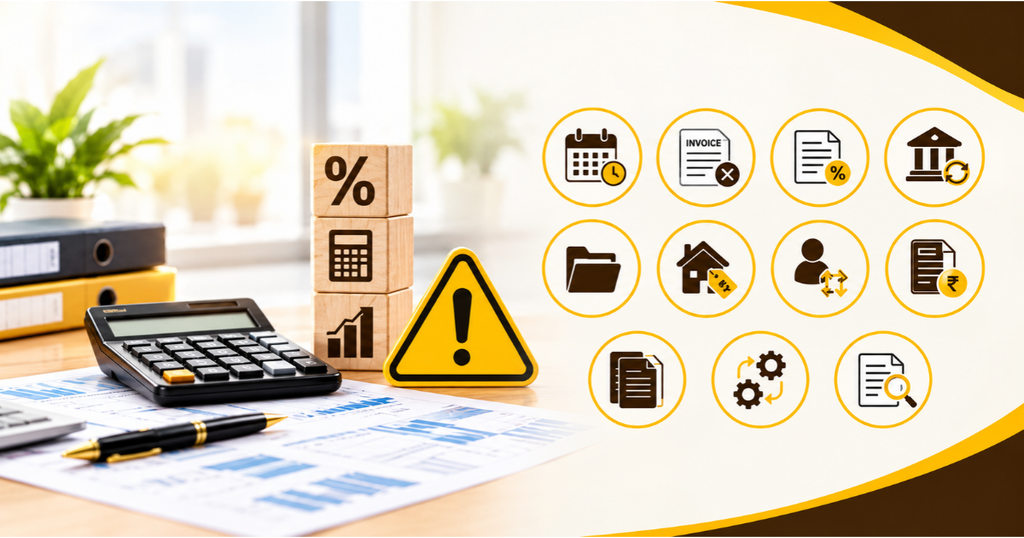
Some accounting problems can develop when financial records are not reviewed regularly. Common issues include:
- Delayed bookkeeping
- Missing invoices
- Incorrect expense classification
- Unreconciled bank accounts
- Poor documentation
- Incorrect treatment of assets
- Mixing personal and business transactions
- Inaccurate receivable balances
- Failure to maintain supporting records
- Inconsistent accounting procedures
Avoiding these problems can improve the quality of financial information and make reporting processes more efficient.
Understanding Business Records UAE Guidelines Explained Clearly also mean recognizing that accounting accuracy depends on consistent processes, appropriate documentation, and regular review.
How Company Accounts Support Corporate Tax Compliance
Company accounts support UAE corporate tax compliance by providing accurate financial information for calculating taxable income. Understanding Business Records UAE Guidelines Explained Clearly helps businesses maintain proper records and support tax calculations.
Businesses should also follow current FTA guidance and applicable accounting requirements, as rules may be updated.
Conclusion
Strong financial management begins with reliable accounting records. Businesses that maintain organized accounts can gain better visibility into their financial performance, improve cash flow management, prepare financial reports more efficiently, and support their tax compliance responsibilities.
Understanding Business Records UAE Guidelines Explained Clearly can help business owners create practical accounting systems that support both compliance and informed decision-making.
For businesses seeking professional assistance with accounting, bookkeeping, auditing, corporate tax, and financial management, Singiriandco, Dubai, UAE, can provide accounting and business advisory support tailored to UAE business requirements. Maintaining accurate company accounts is not only about compliance; it is also about creating dependable financial information that can support sustainable business management.
FAQS
1. What accounting standards are accepted for UAE corporate tax purposes?
For UAE corporate tax purposes, IFRS is an accepted accounting standard. Eligible taxable persons with revenue not exceeding AED 50 million in the relevant tax period may use IFRS for SMEs, subject to the applicable requirements.
2. Can a UAE business use cash basis accounting?
A business may be able to use cash basis accounting where its revenue does not exceed AED 3 million, subject to the applicable rules and conditions.
3. Why are financial records important for UAE businesses?
Financial records help businesses monitor performance, prepare financial statements, support corporate tax calculations, and provide evidence for reported tax information.
4. What documents should a UAE business maintain?
Businesses may need to maintain transaction records, invoices, receipts, bank records, asset information, liability records, contracts, and other supporting documentation relevant to their activities and tax obligations.
5. Do UAE companies need standalone financial statements?
For UAE corporate tax purposes, each UAE entity subject to corporate tax generally needs standalone financial statements unless the entities are members of a tax group and the applicable rules provide otherwise.
6. How can proper accounting improve business management?
Proper accounting can provide clearer information about profitability, cash flow, expenses, assets and liabilities, helping management make more informed financial dec
7. When should businesses update their accounting records?
Businesses should maintain accounting records regularly throughout the year rather than delaying bookkeeping until the end of the financial period. Regular updates make financial reviews and reporting easier.